
YODAK–THEQC Cooperation Institutional Accreditation Training and Information Program Successfully Held
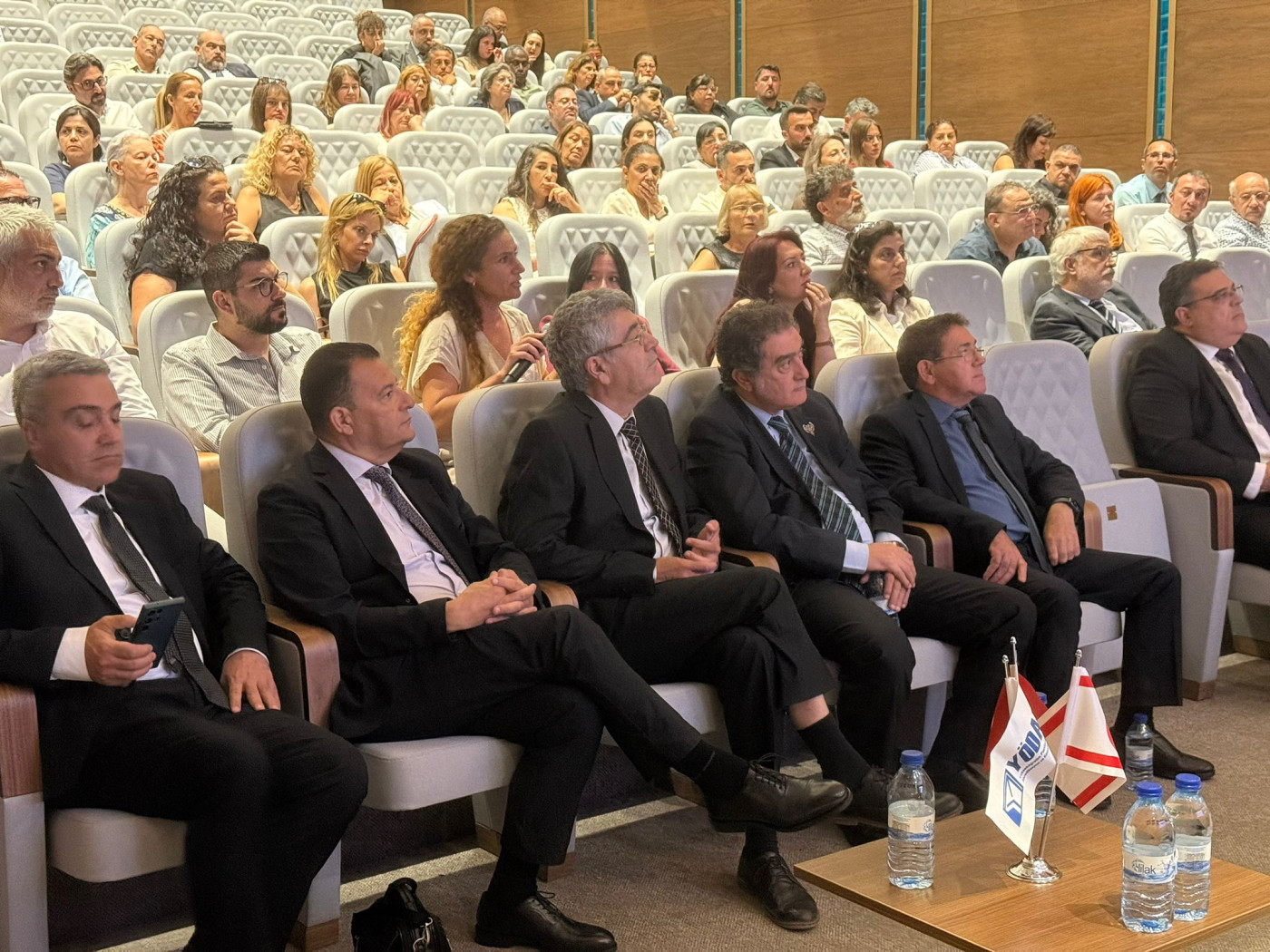
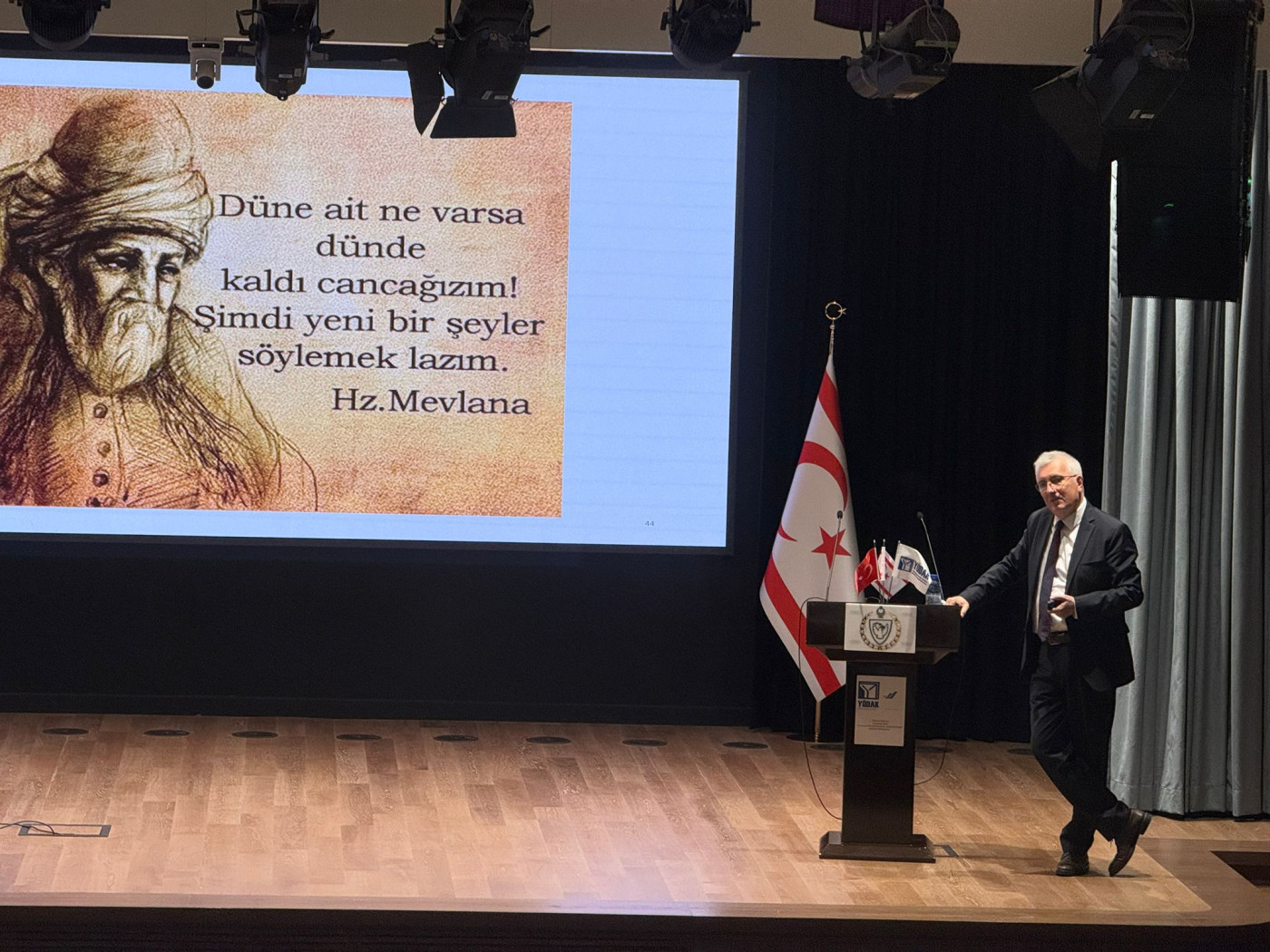
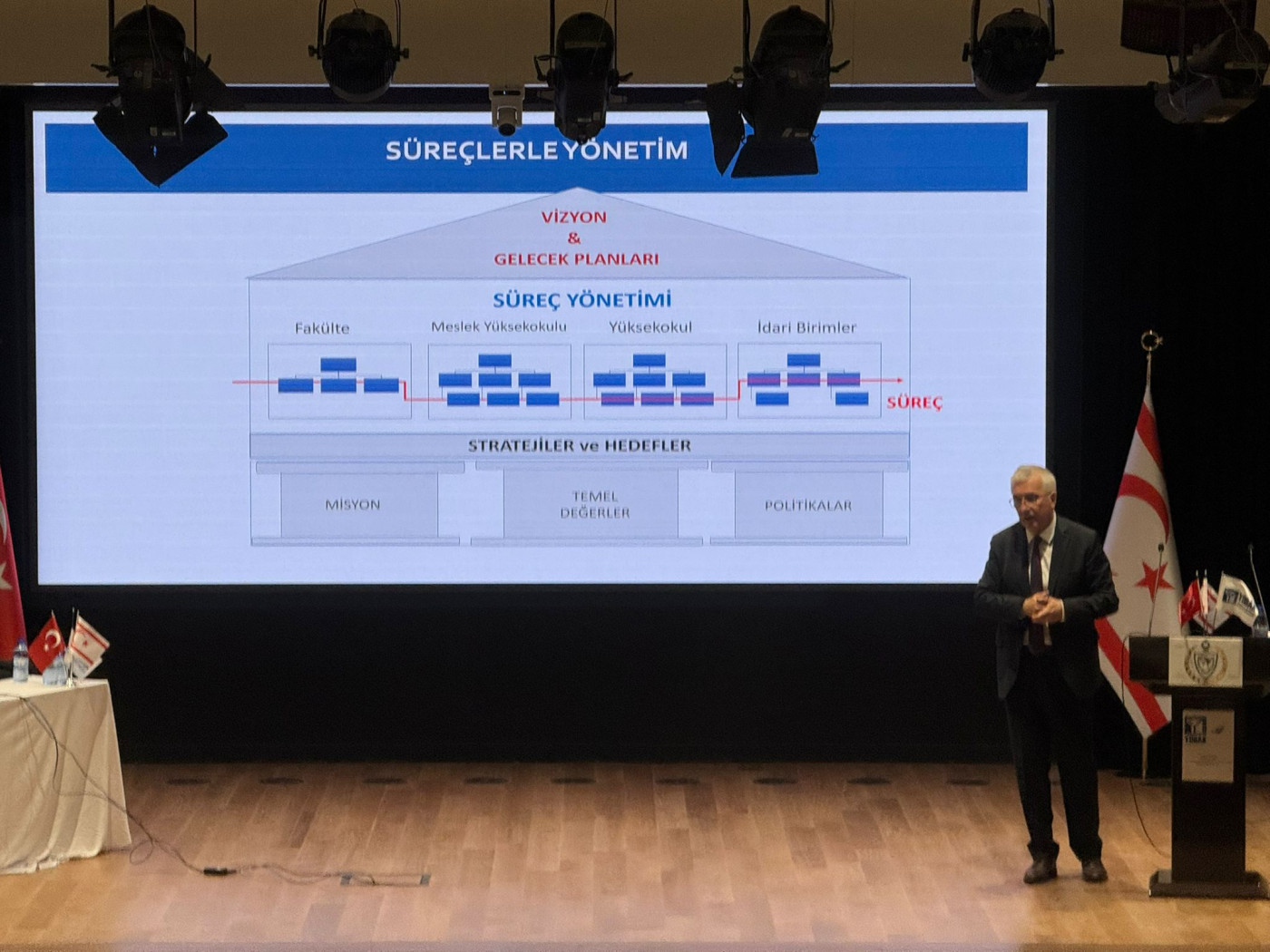
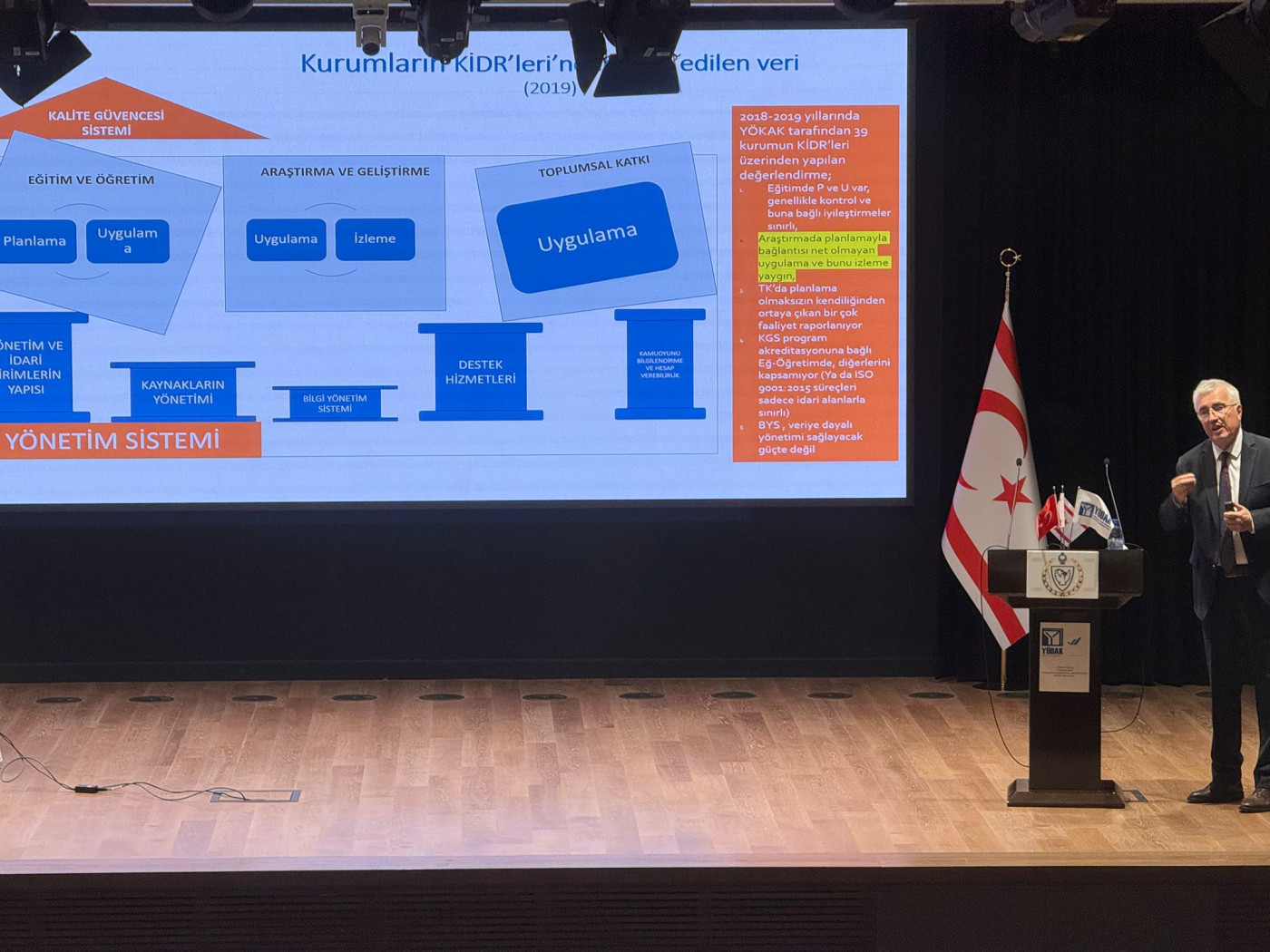
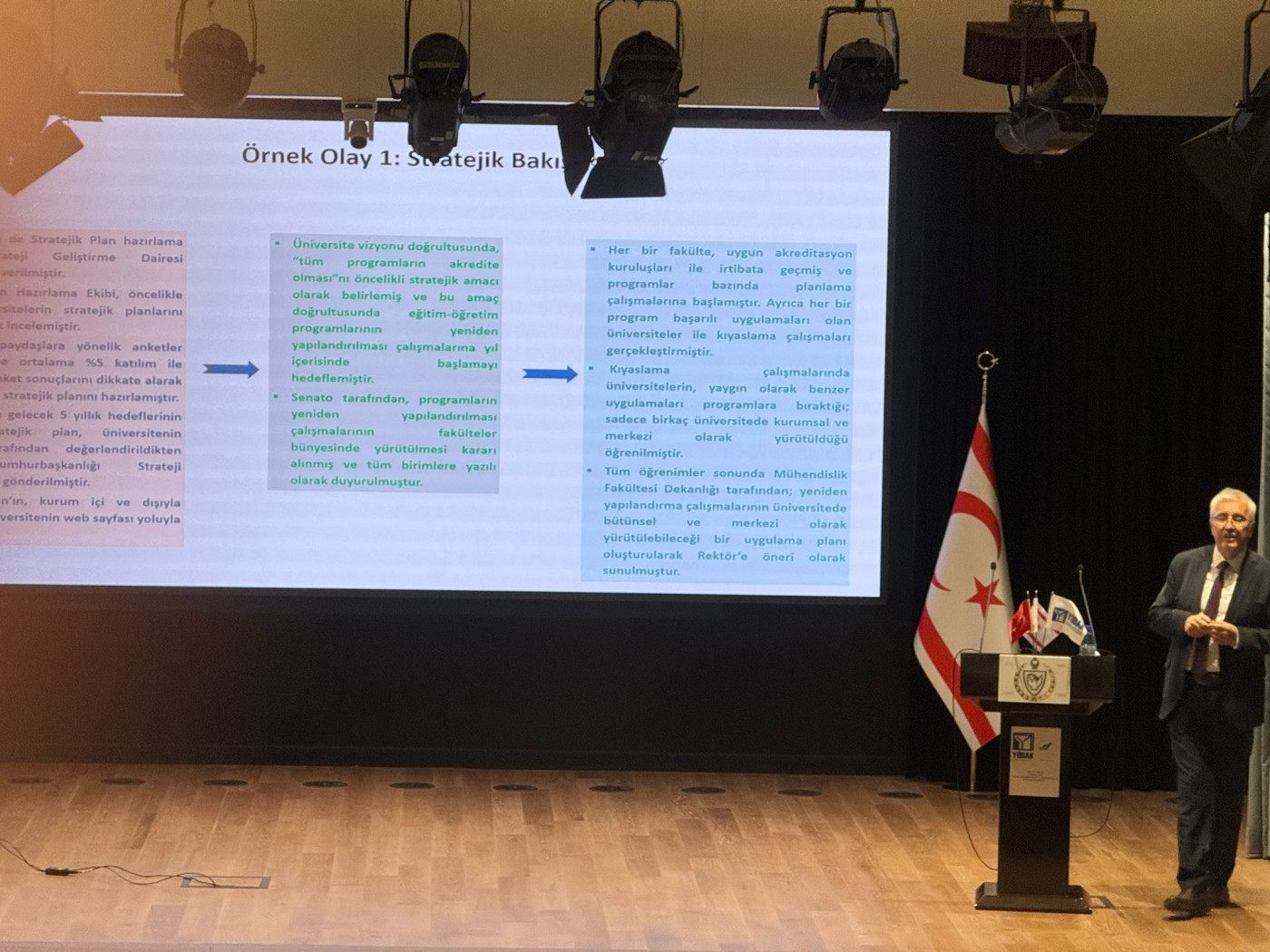
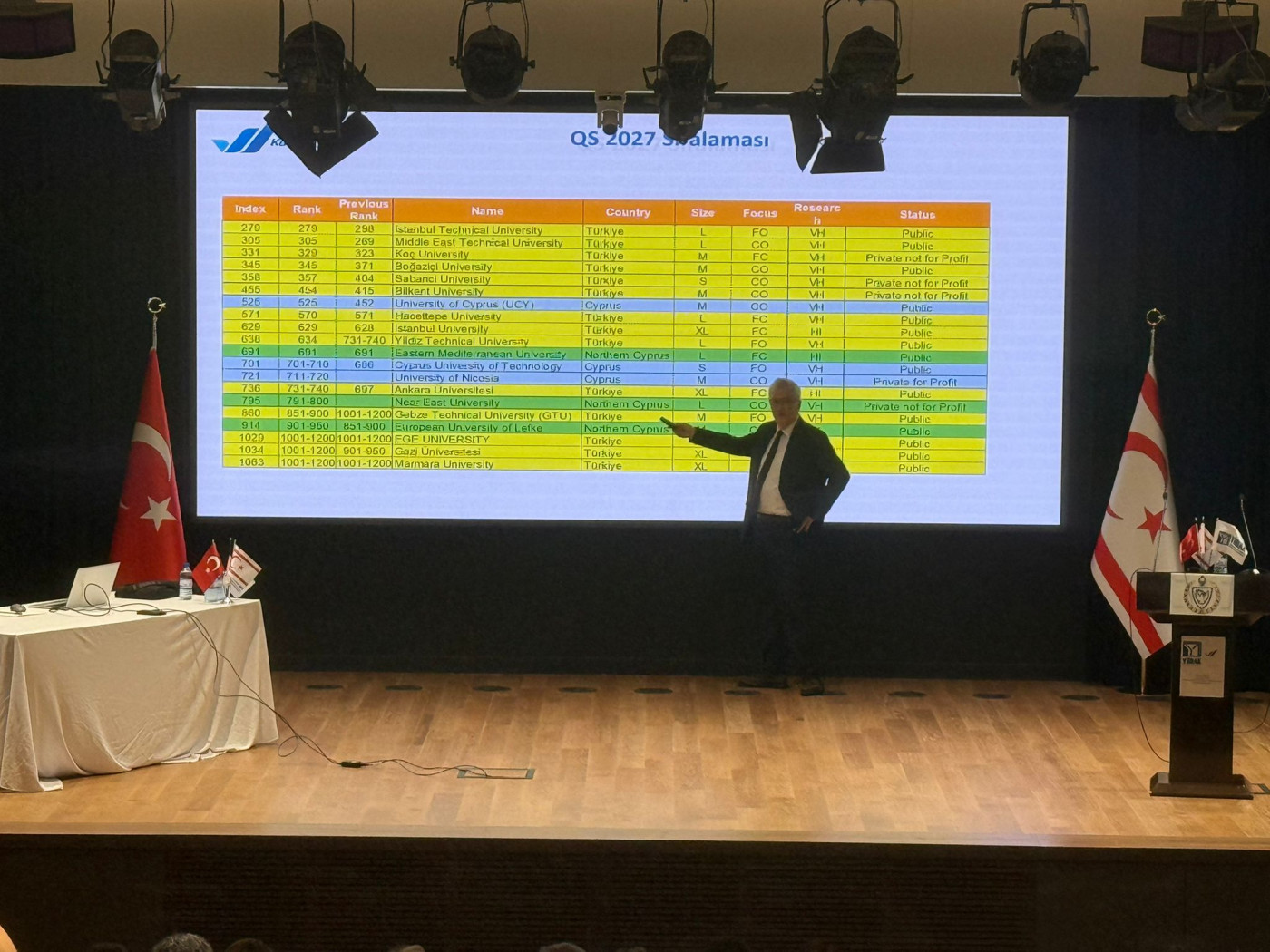
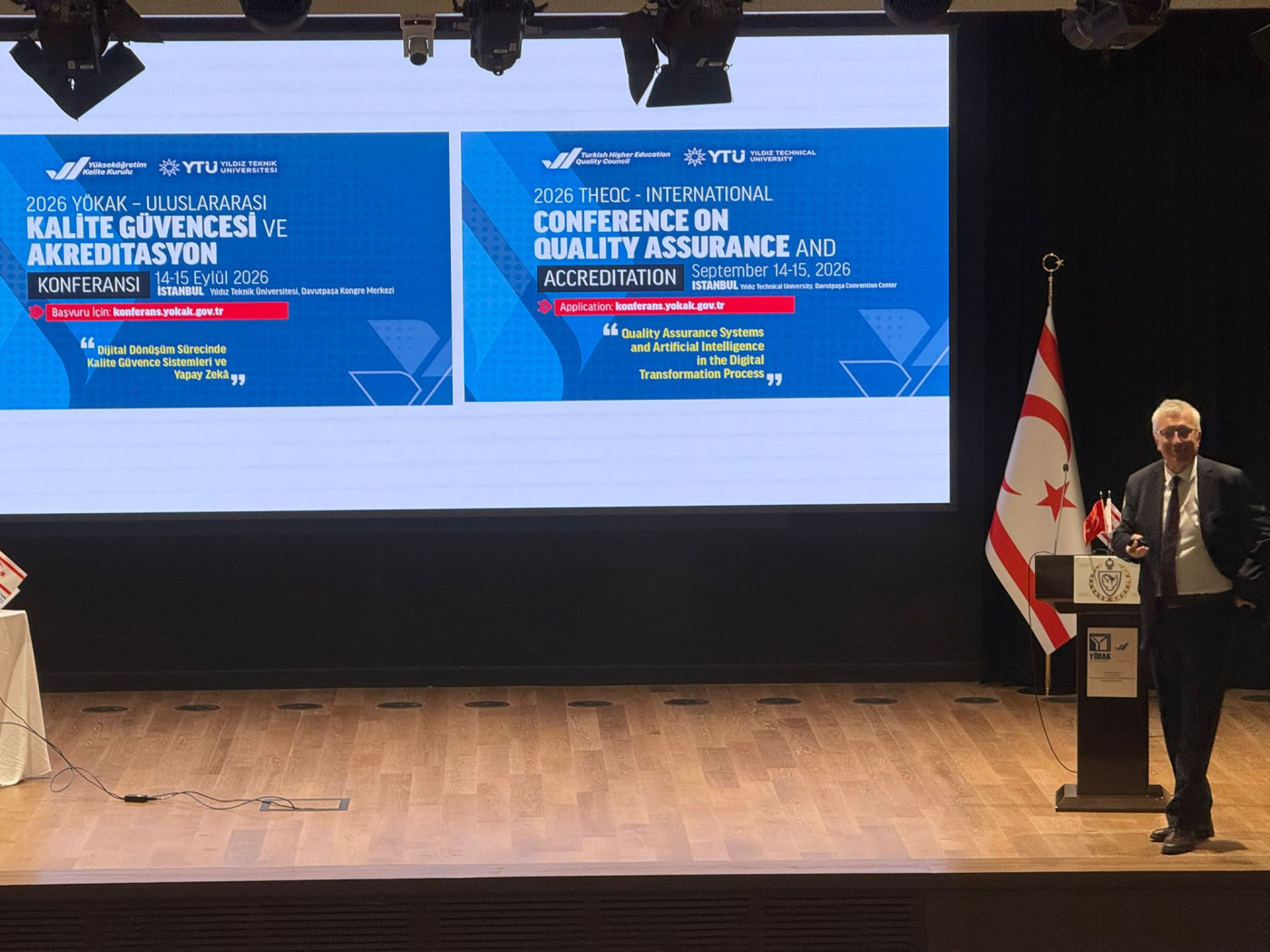
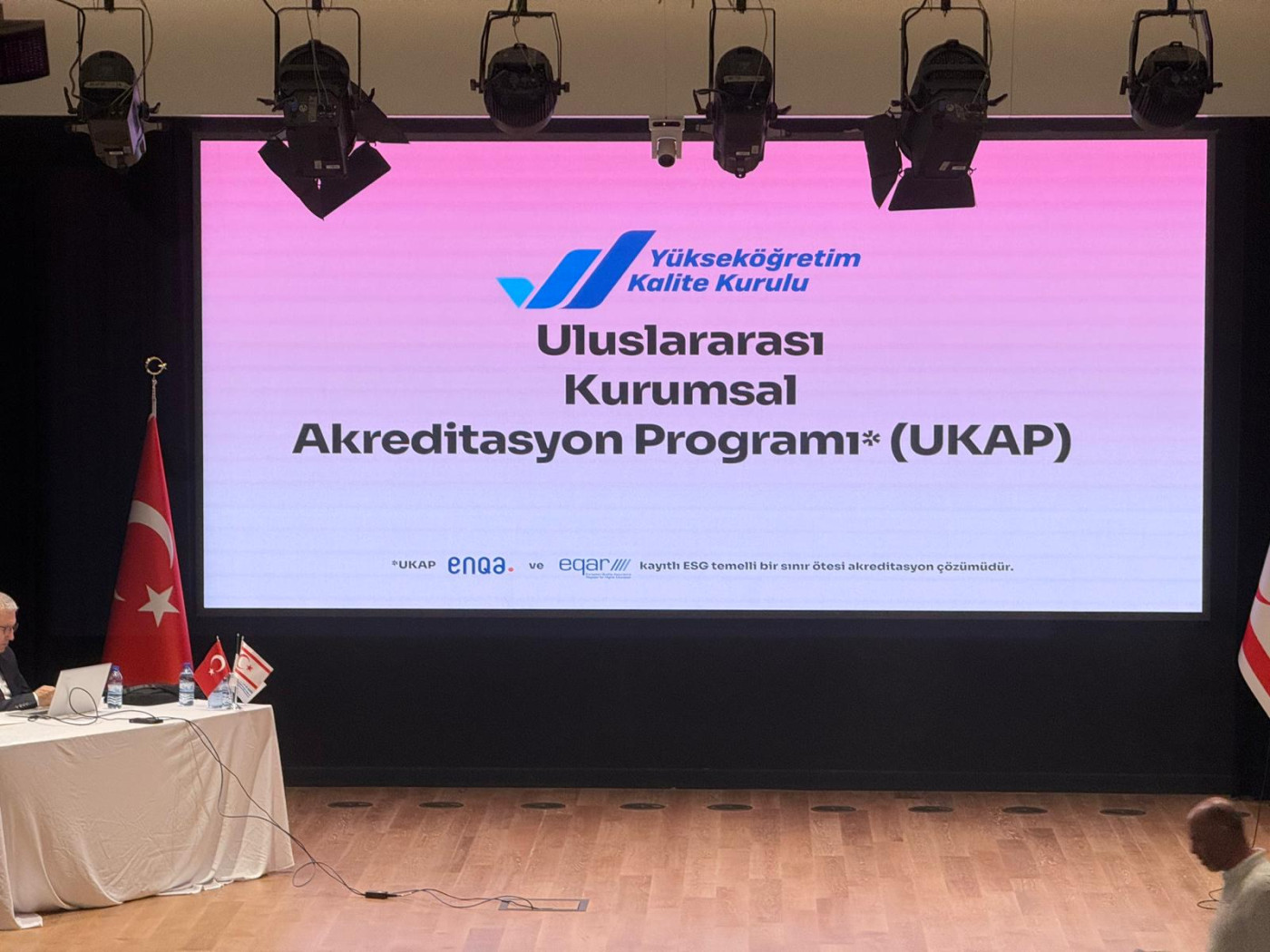
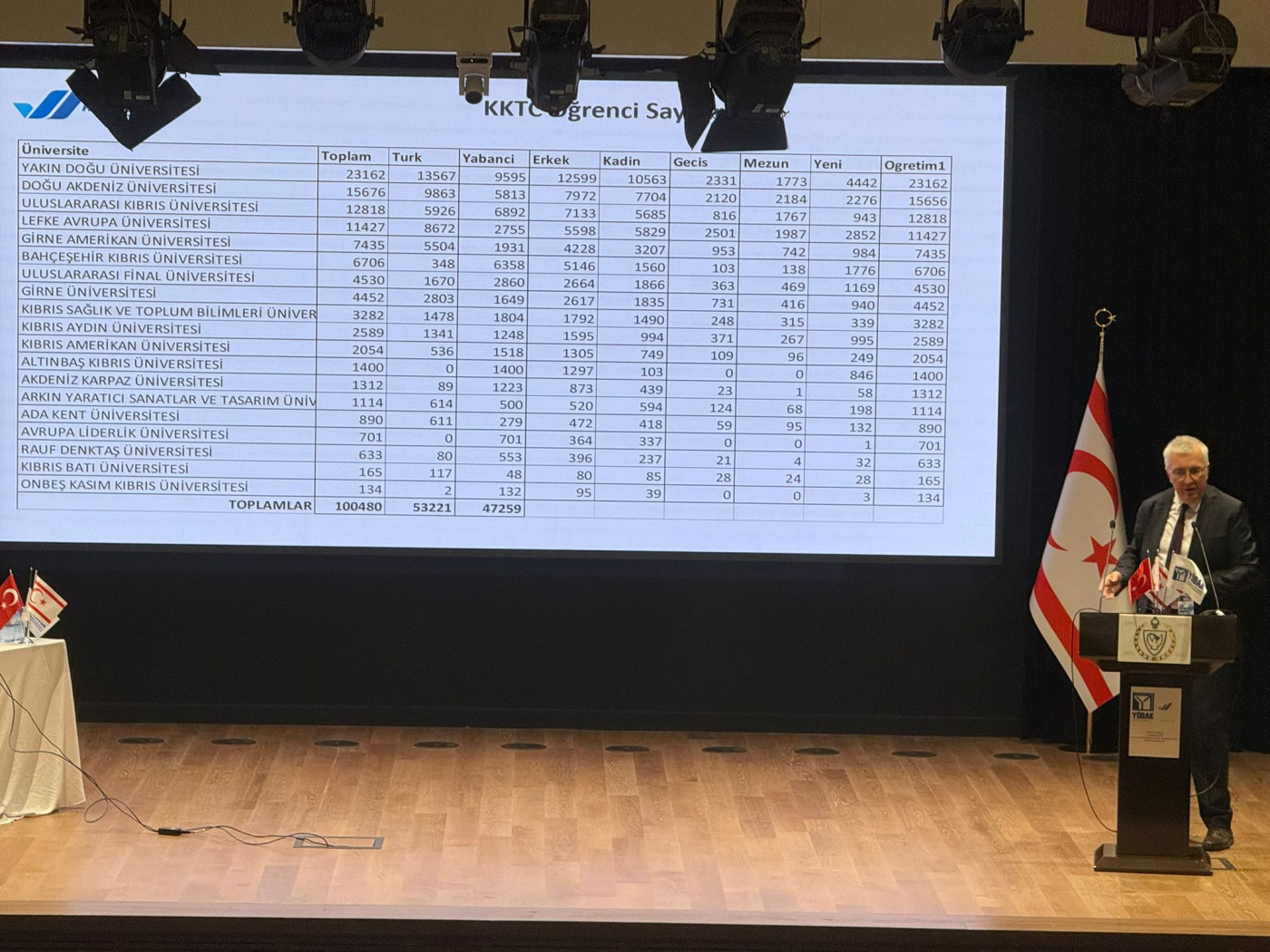
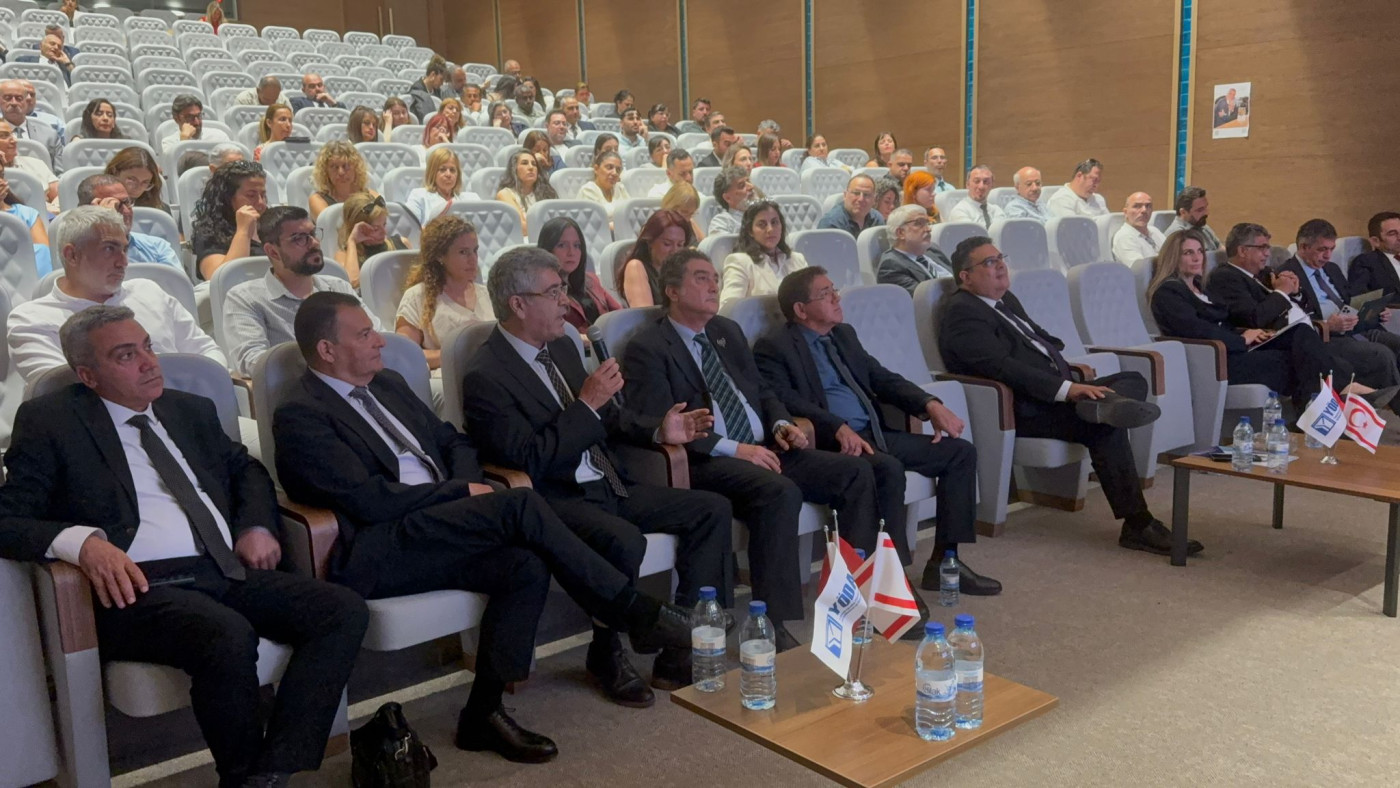
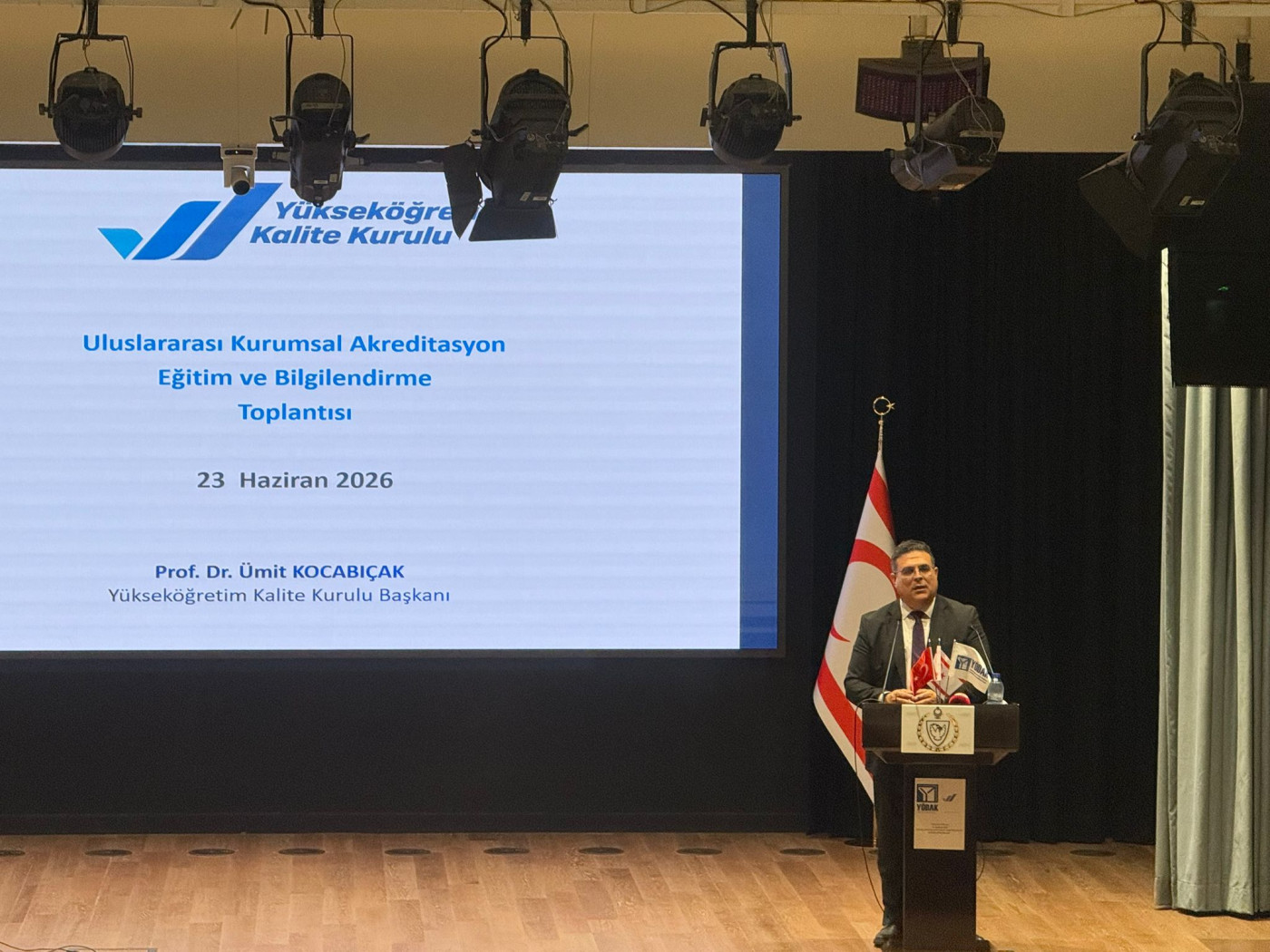
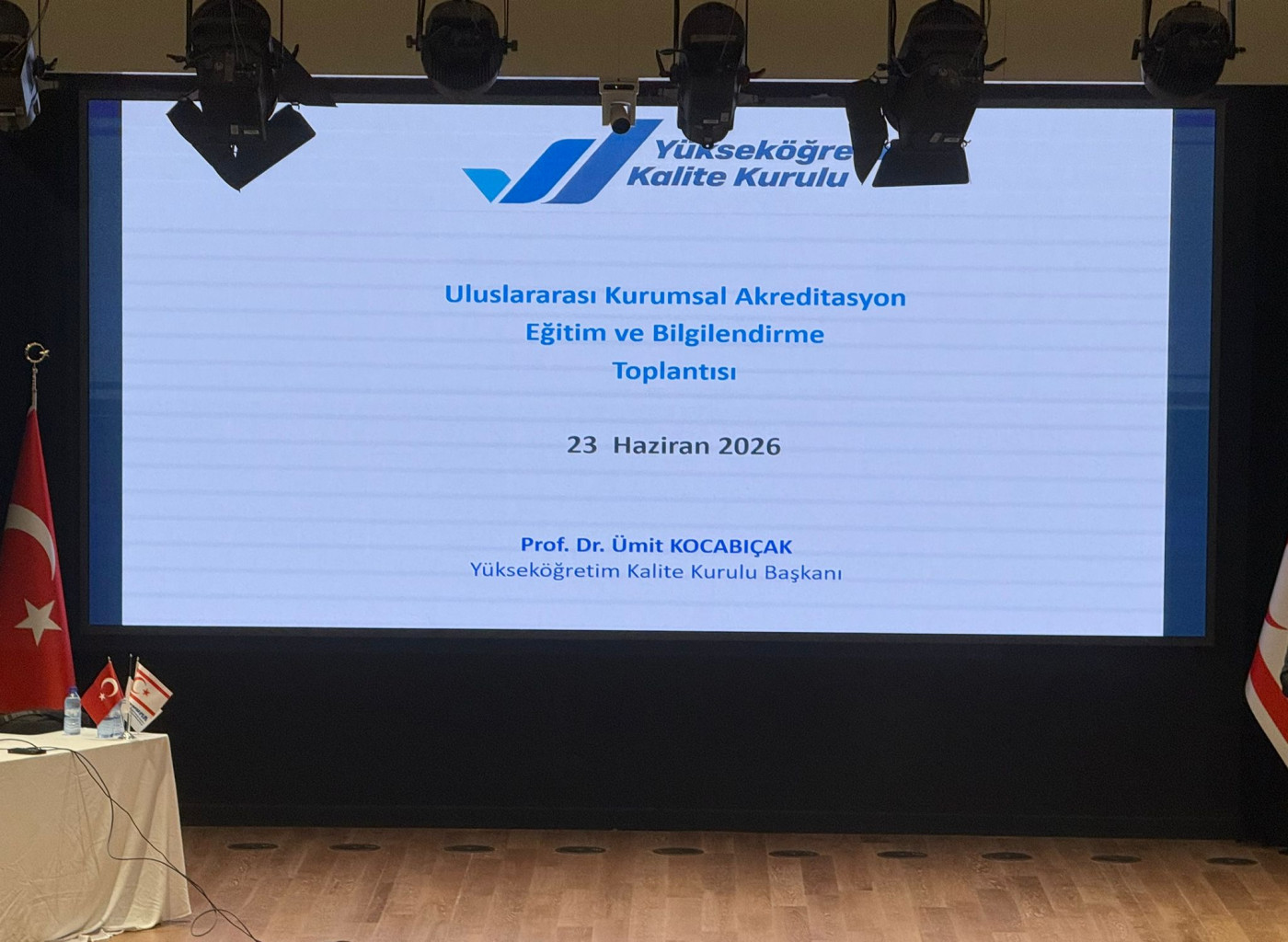
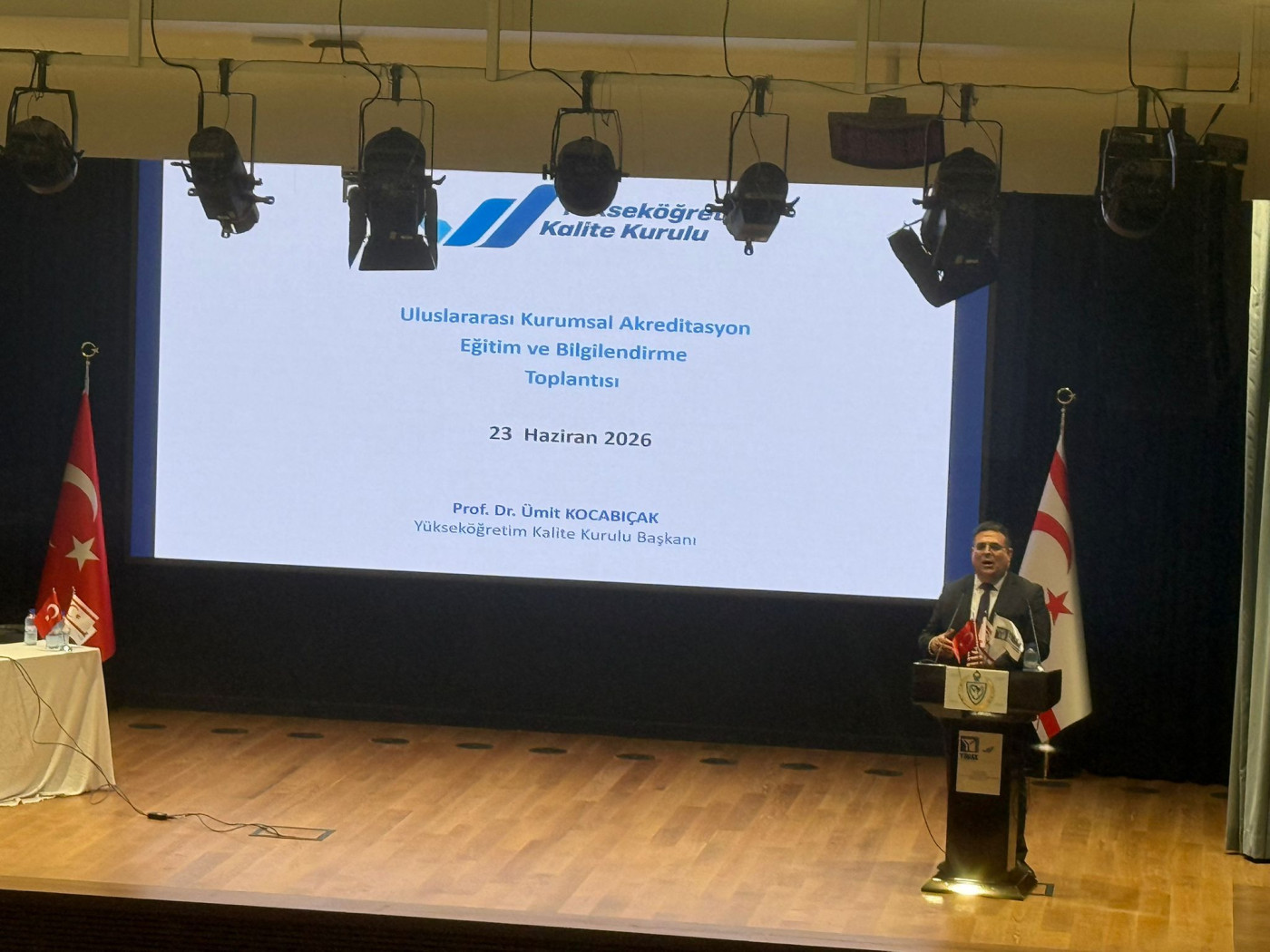
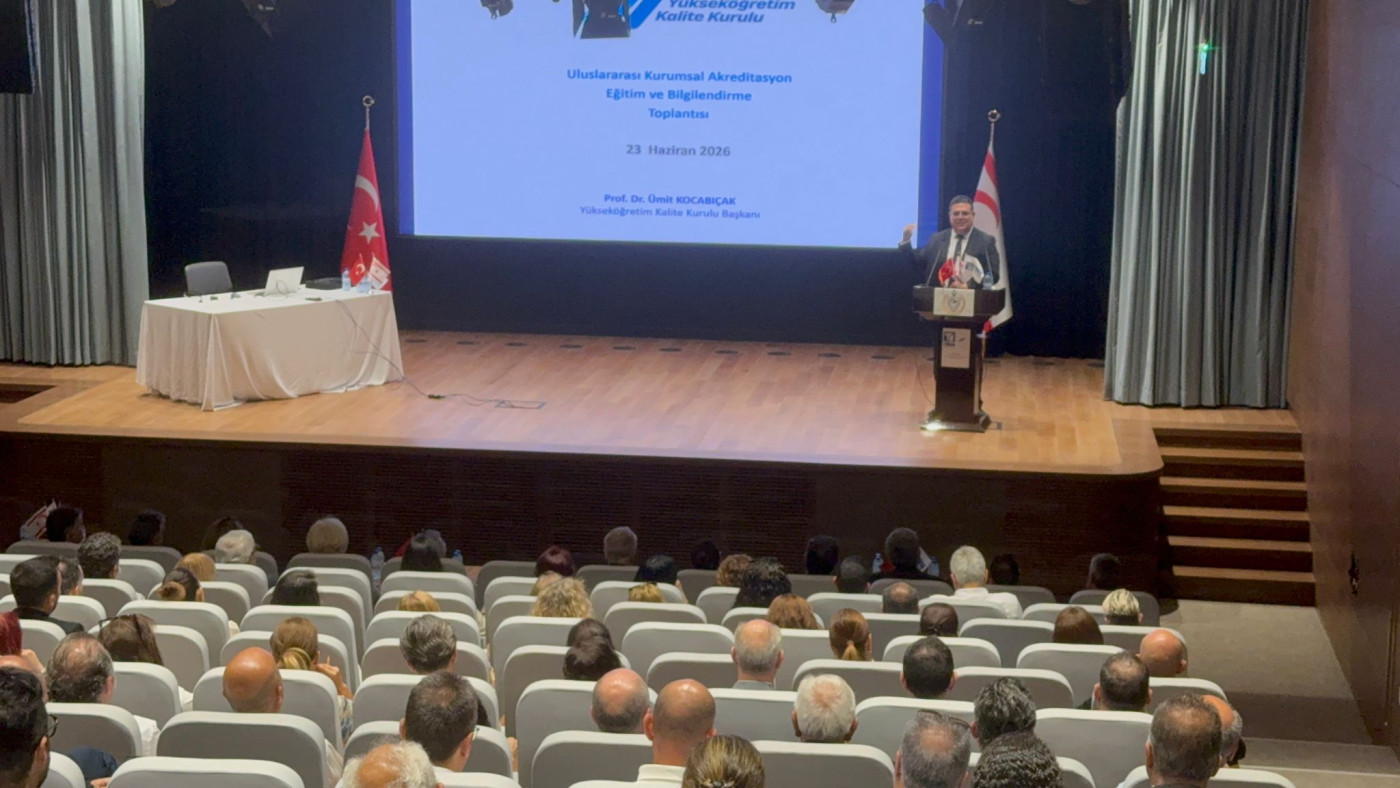
The 2026 Institutional Accreditation Training Program, organized in cooperation between the Higher Education Planning, Evaluation, Accreditation and Coordination Council of the Turkish Republic of Northern Cyprus (YODAK) and the Turkish Higher Education Quality Council (THEQC), was held with broad participation. The opening speech of the program, which focused on quality assurance processes and accreditation standards in higher education, was delivered by YODAK President Prof. Dr. Aykut Hocanın, while the training session was conducted by THEQC President Prof. Dr. Ümit Kocabıçak.
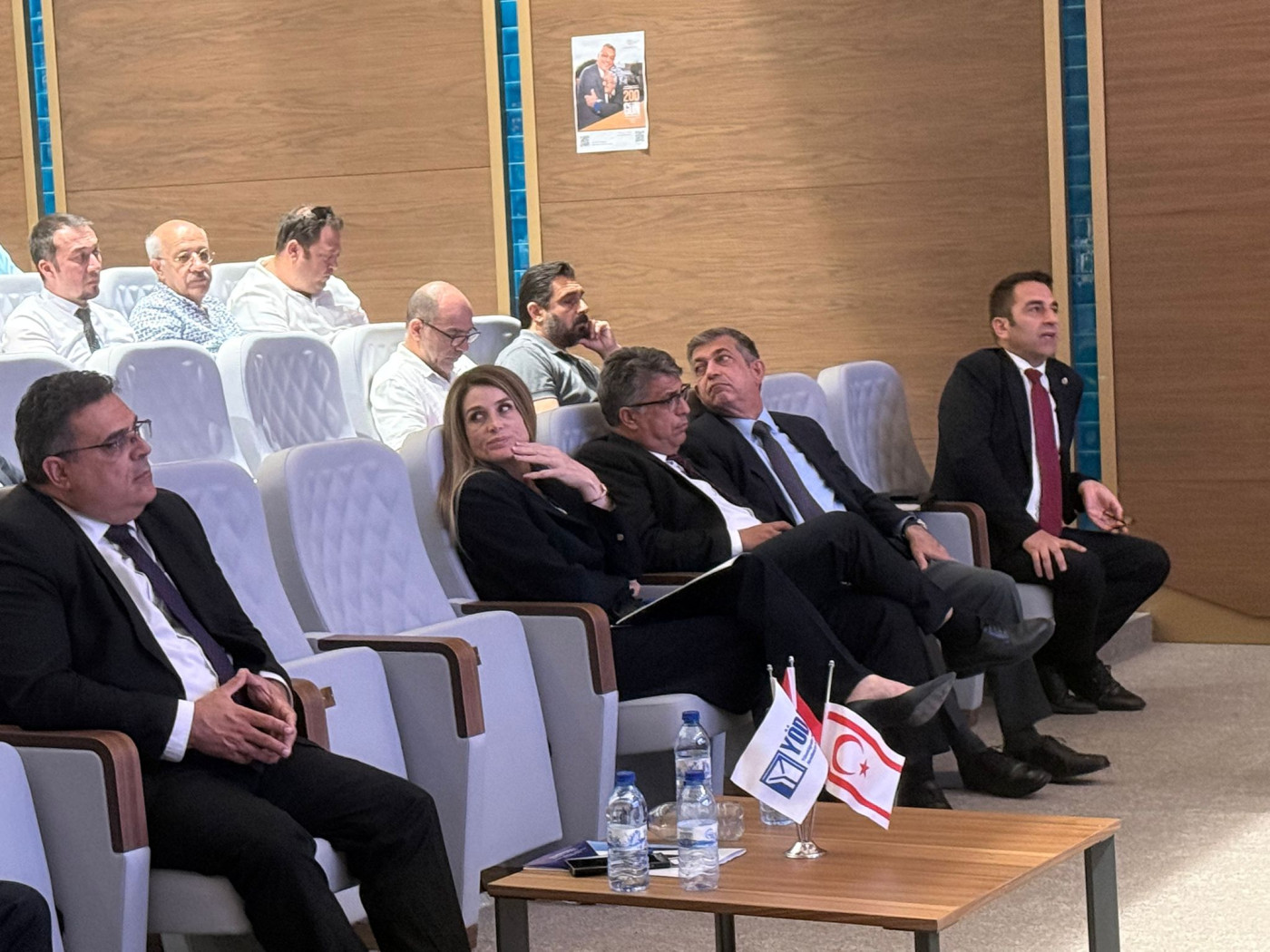
The event, attended by nearly 130 academics and university representatives, highlighted the transformation of higher education in an increasingly globalized world, the integration of artificial intelligence into educational processes, and the critical role of institutional accreditation in achieving international recognition.
Prof. Dr. Aykut Hocanın: “Our Goal is to Register Our Universities in the European Quality Assurance Register (EQAR)”
In his opening remarks, YODAK President Prof. Dr. Aykut Hocanın emphasized that institutional accreditation processes are of vital importance for higher education in the Turkish Republic of Northern Cyprus (TRNC). He stated that the certification of quality is one of the strongest instruments for overcoming the political recognition challenges faced by the TRNC.
Prof. Dr. Hocanın noted:
“Our universities already hold numerous national and international program accreditations, many of which are recognized within the European Quality Assurance Register (EQAR) system. However, institutional accreditation is essential for enhancing the institutional visibility of our universities and officially certifying their quality. Through this joint process with THEQC, we aim to include our universities that successfully complete the evaluation process in the EQAR system. This step represents a critical milestone for the sustainability of TRNC higher education.”
Prof. Dr. Hocanın further stated that the process enjoys full support from the Presidency, the Prime Ministry, and the Ministry of Education. He also announced that the Integrated Quality Management System Software, which will be provided free of charge to universities by THEQC, will facilitate the monitoring and management of accreditation processes. He expressed his gratitude to THEQC President Prof. Dr. Ümit Kocabıçak for this valuable contribution.
Prof. Dr. Ümit Kocabıçak: “We Must Enhance Graduate Competencies and Quality in the Age of Artificial Intelligence”
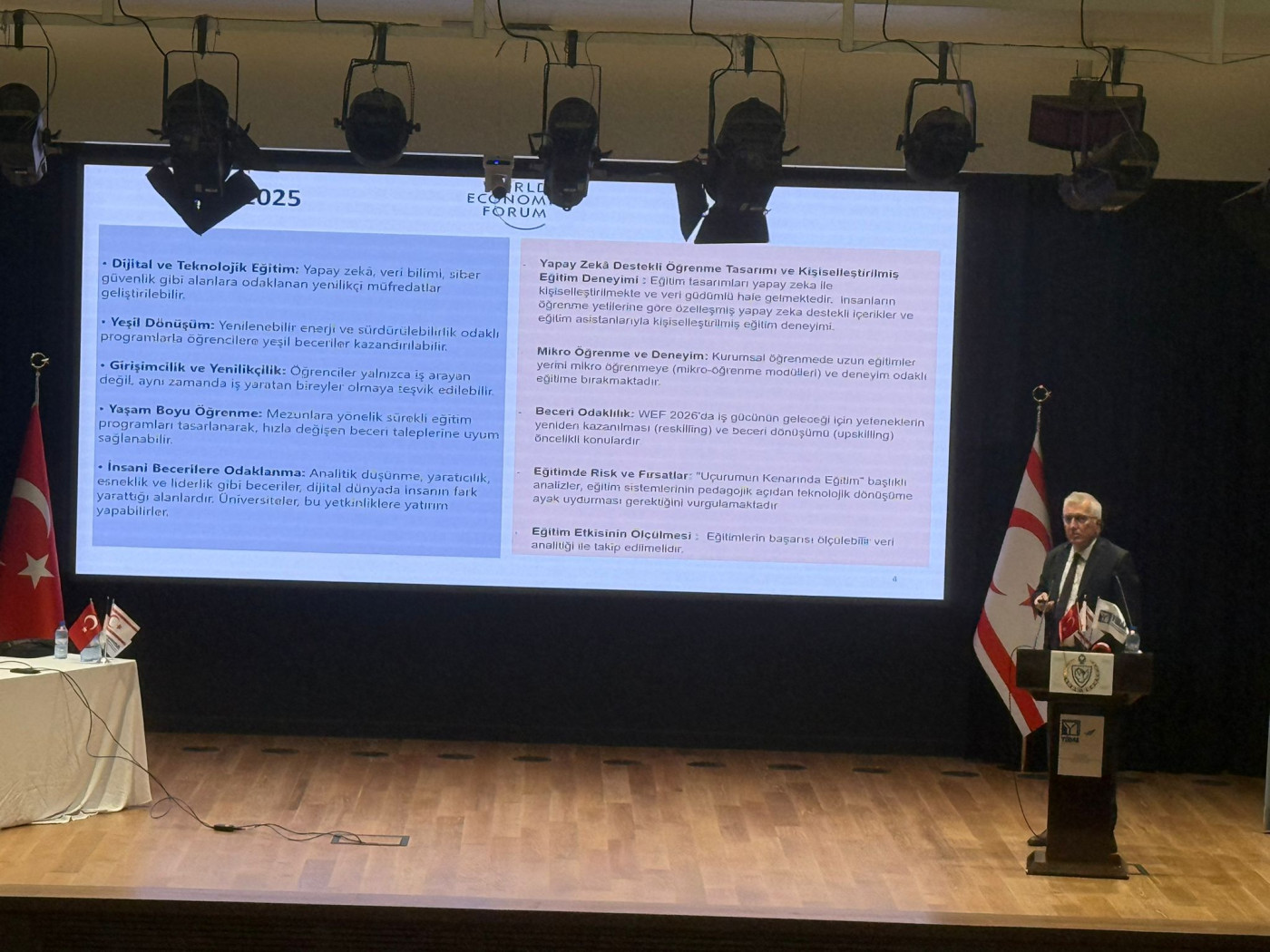
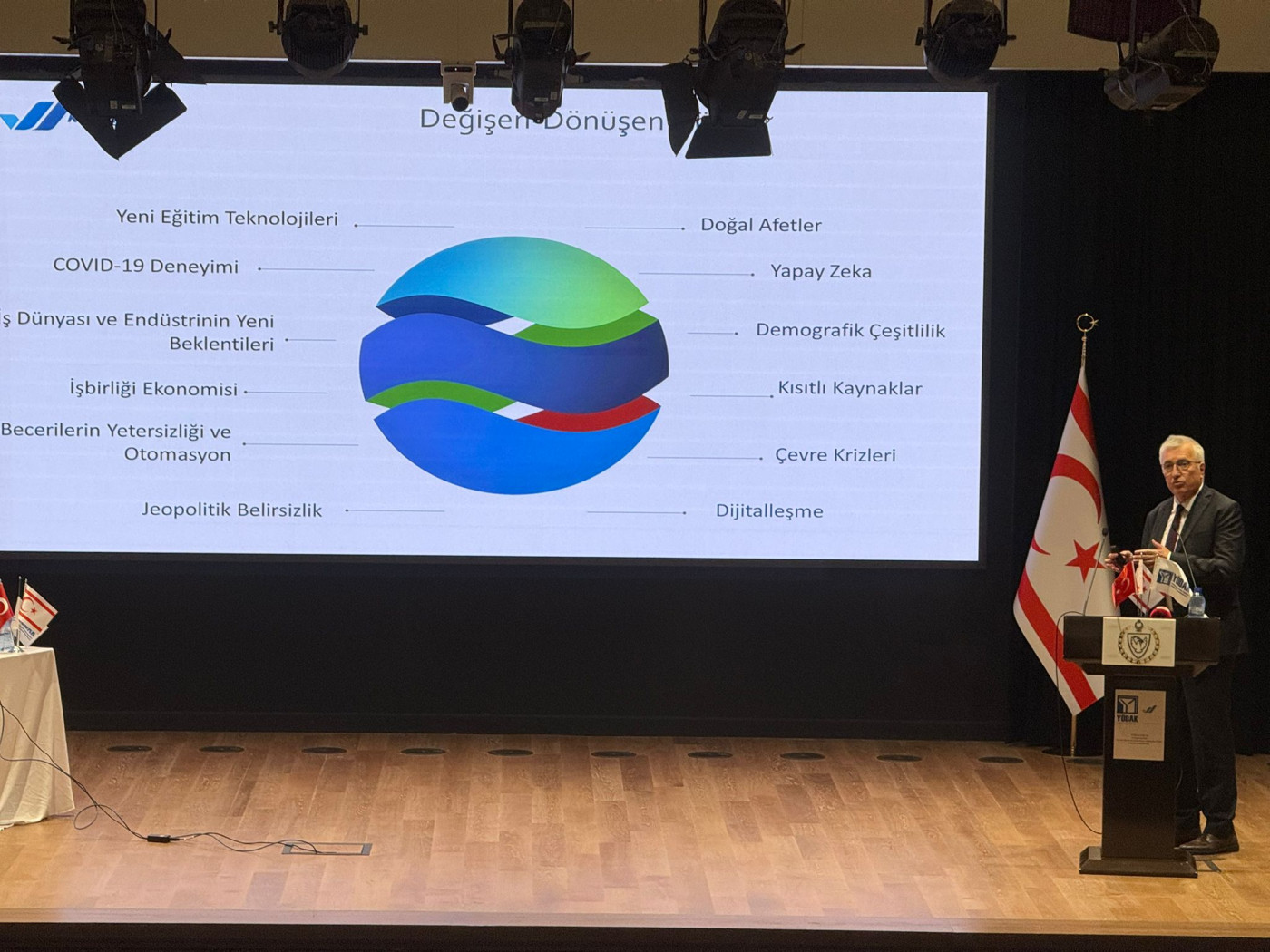
Delivering the training program, THEQC President Prof. Dr. Ümit Kocabıçak underlined that the dynamics of higher education are changing rapidly across the world. He emphasized that AI-supported learning designs and micro-learning models are becoming increasingly prominent.
Referring to data from the World Economic Forum, Kocabıçak noted that a significant proportion of employers are dissatisfied with the competencies of current graduates and that skills-based education will become even more critical in the future. He pointed out that even reports prepared using traditional methods at some of the world’s leading universities can become inadequate when compared with the capabilities of artificial intelligence tools.
“Professions will not disappear,” he stated, “but all professions will need to be strengthened through artificial intelligence, and curricula must be updated accordingly. This is precisely why we must operate effective quality assurance systems and expand institutional accreditation practices.”
As part of the program, participants were introduced to the Integrated Quality Management System Software, which will be made available to universities. Detailed technical information was provided regarding institutional accreditation application procedures, the preparation of self-evaluation reports, and the monitoring of continuous improvement cycles. The training concluded with a question-and-answer session during which academics’ questions were addressed.
Message of “Consultation and Full Support” from YODAK to Universities
In his closing remarks, YODAK President Prof. Dr. Aykut Hocanın emphasized that ensuring quality assurance in higher education, securing the institutional recognition of universities in Europe, and validating their accreditations remain among YODAK’s primary objectives.
He stressed that accreditation and evaluation processes are not mandatory for universities and that institutions may choose to participate based on their own strategic priorities, data, and development plans. He assured participants that YODAK would remain in continuous consultation with universities throughout every stage of the process and would maintain a solution-oriented support role in addressing any unforeseen challenges or needs.
Recognizing concerns related to personal data protection, institutional competition, and ongoing program accreditation activities, Prof. Dr. Hocanın stated that YODAK understands these sensitivities. He assured universities that any concerns raised would be discussed with THEQC, and that both legal and practical solutions would be developed collaboratively.
“Our Aim is to Safeguard the International Recognition of Diplomas”
The YODAK President reminded participants that, under the legal framework of the TRNC, the authority for both program and institutional accreditation rests entirely with YODAK. He stated that YODAK’s long-term objective is to achieve full membership in the European Association for Quality Assurance in Higher Education (ENQA) and to ensure that accreditation processes are conducted in accordance with the Standards and Guidelines for Quality Assurance in the European Higher Education Area (ESG).
He noted that the strategy developed with the support of THEQC aims to secure the sustainable international recognition and validation of university diplomas. He further emphasized that the initiative would provide significant benefits both in attracting students and in enhancing educational quality.
“It Will Require Great Effort, But the Benefits Will Be Even Greater”
Recalling his own extensive experience in university administration and accreditation processes, Prof. Dr. Hocanın acknowledged that self-evaluation procedures and preparations for external reviews require substantial institutional effort and honest self-assessment.
He stated that this process itself would become one of the greatest gains for universities, adding:
“Even embarking on the journey means achieving half of the goal.”
He concluded by wishing success to all universities participating in the process and expressed his appreciation to all attendees and to THEQC President Prof. Dr. Ümit Kocabıçak for delivering the training program.
Higher Education Planning, Evaluation, Accreditation and Coordination Council (YODAK)