
YÖDAK President Prof. Dr. Aykut Hocanın Delivers the Opening Lecture at Girne University’s 2026–2027 Academic Year Opening Ceremony
Emphasis on Quality Assurance, Internationalization and Sustainable Development in Higher Education
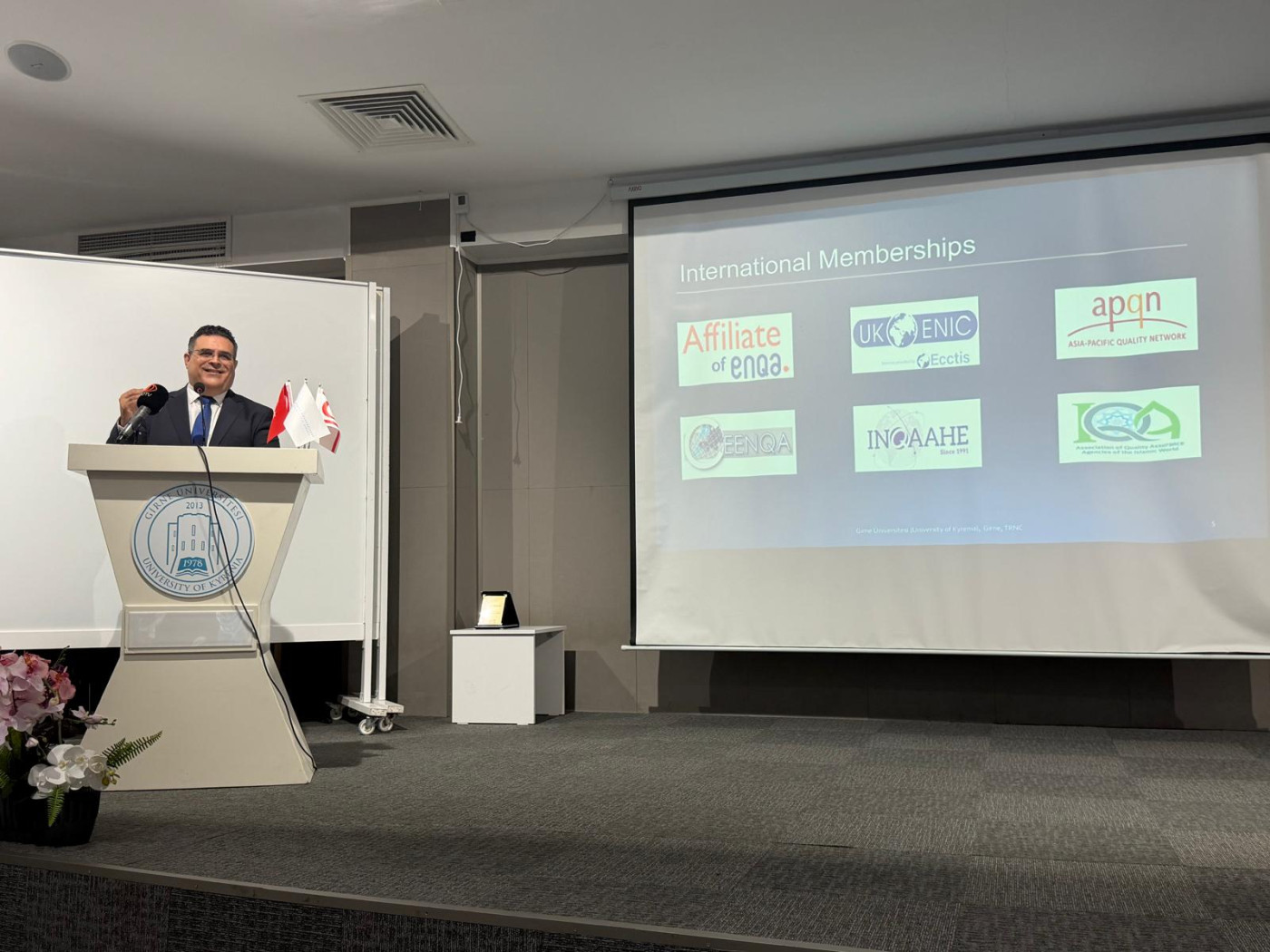
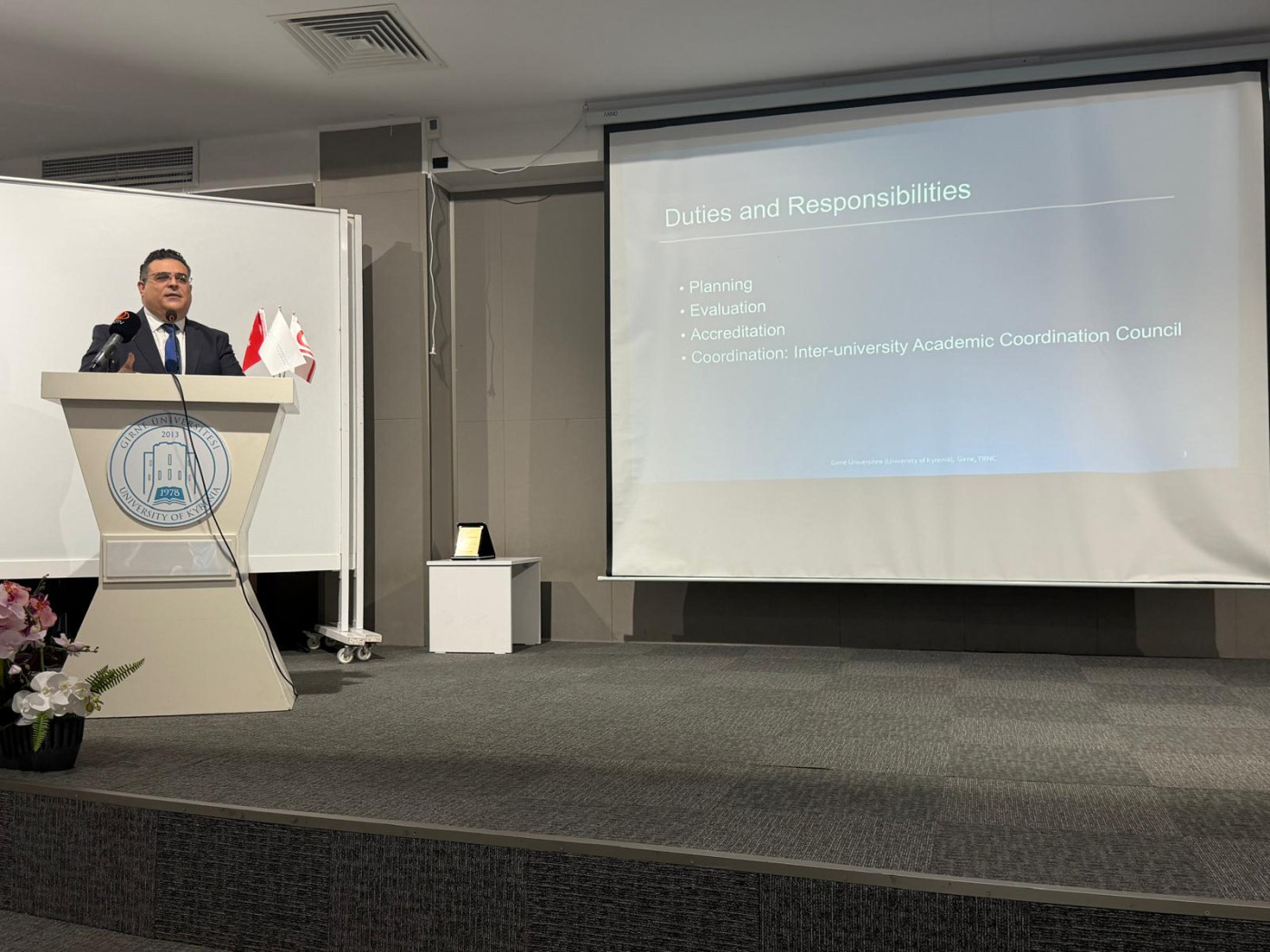
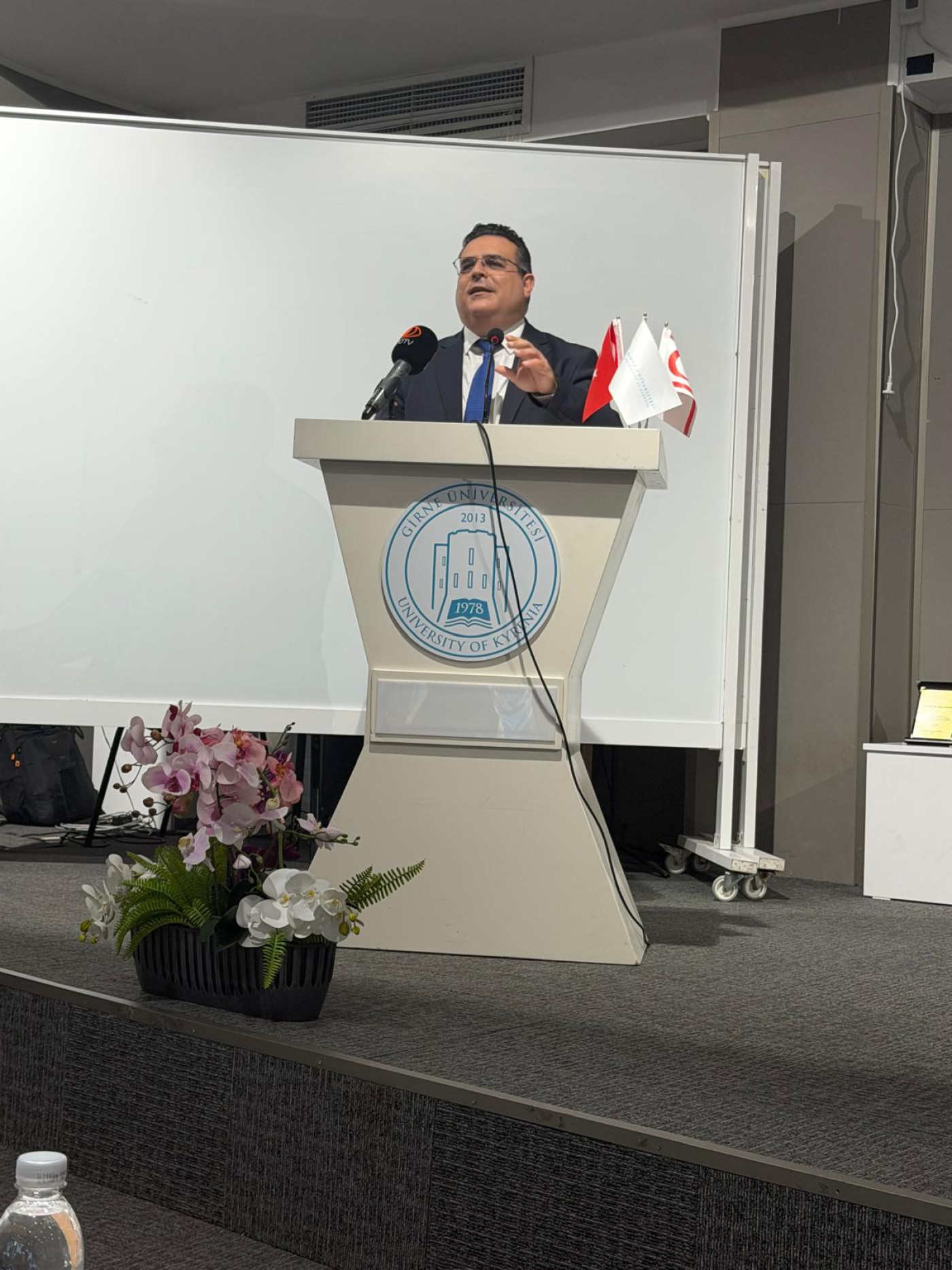
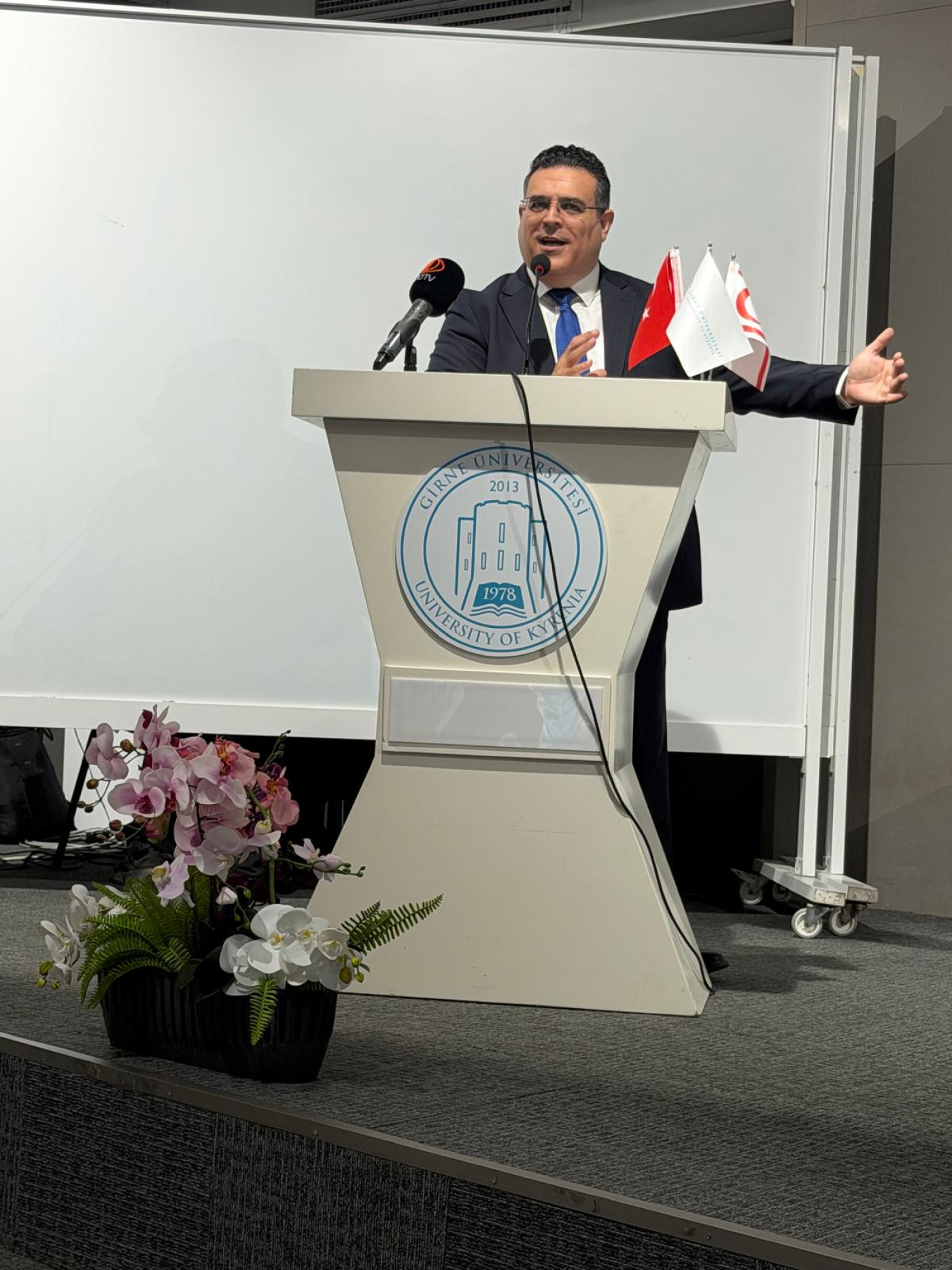
Prof. Dr. Aykut Hocanın, President of the Higher Education Planning, Evaluation, Accreditation and Coordination Council (YÖDAK), delivered the opening lecture at Girne University’s 2026–2027 Academic Year Opening Ceremony.
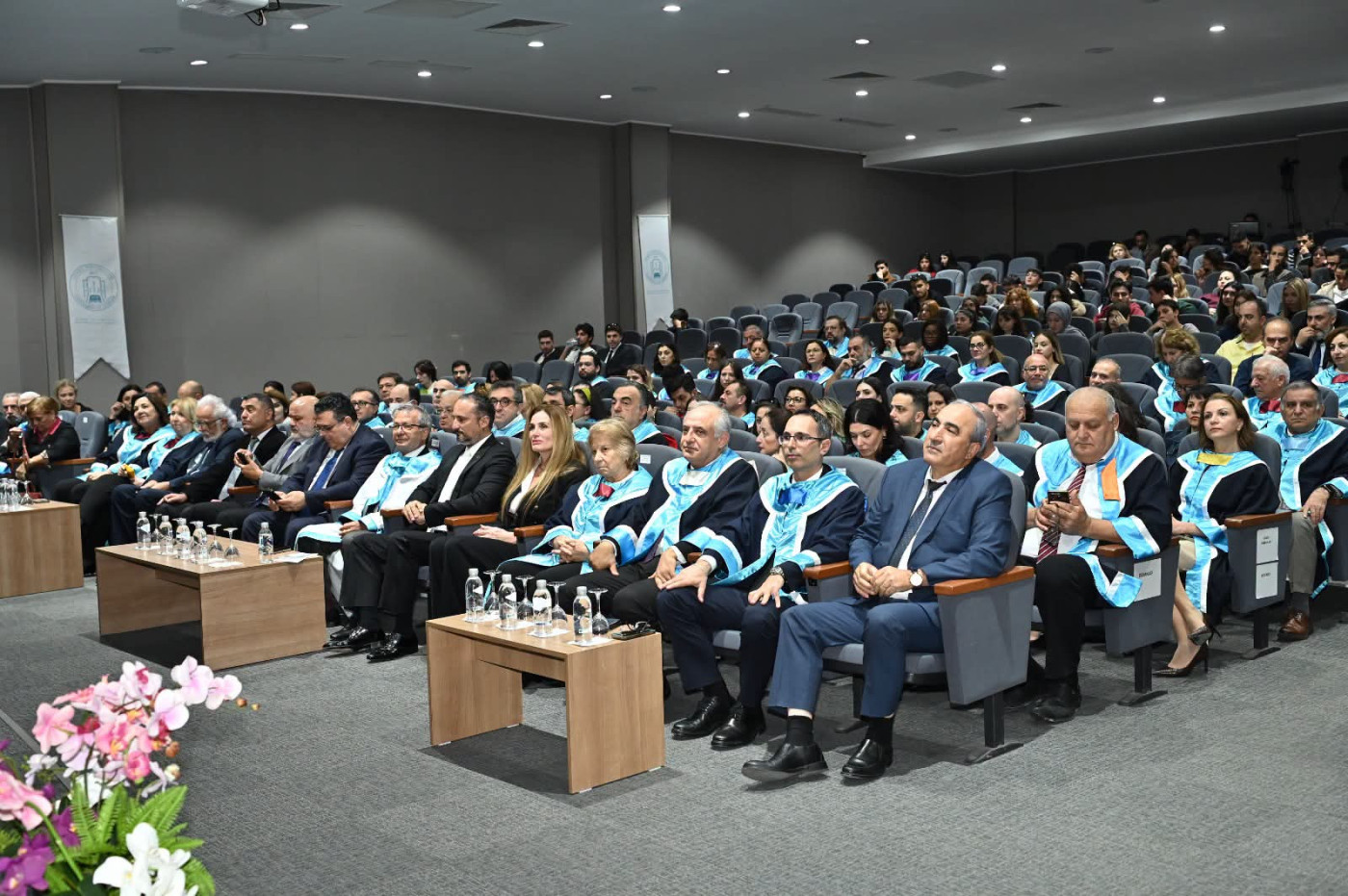
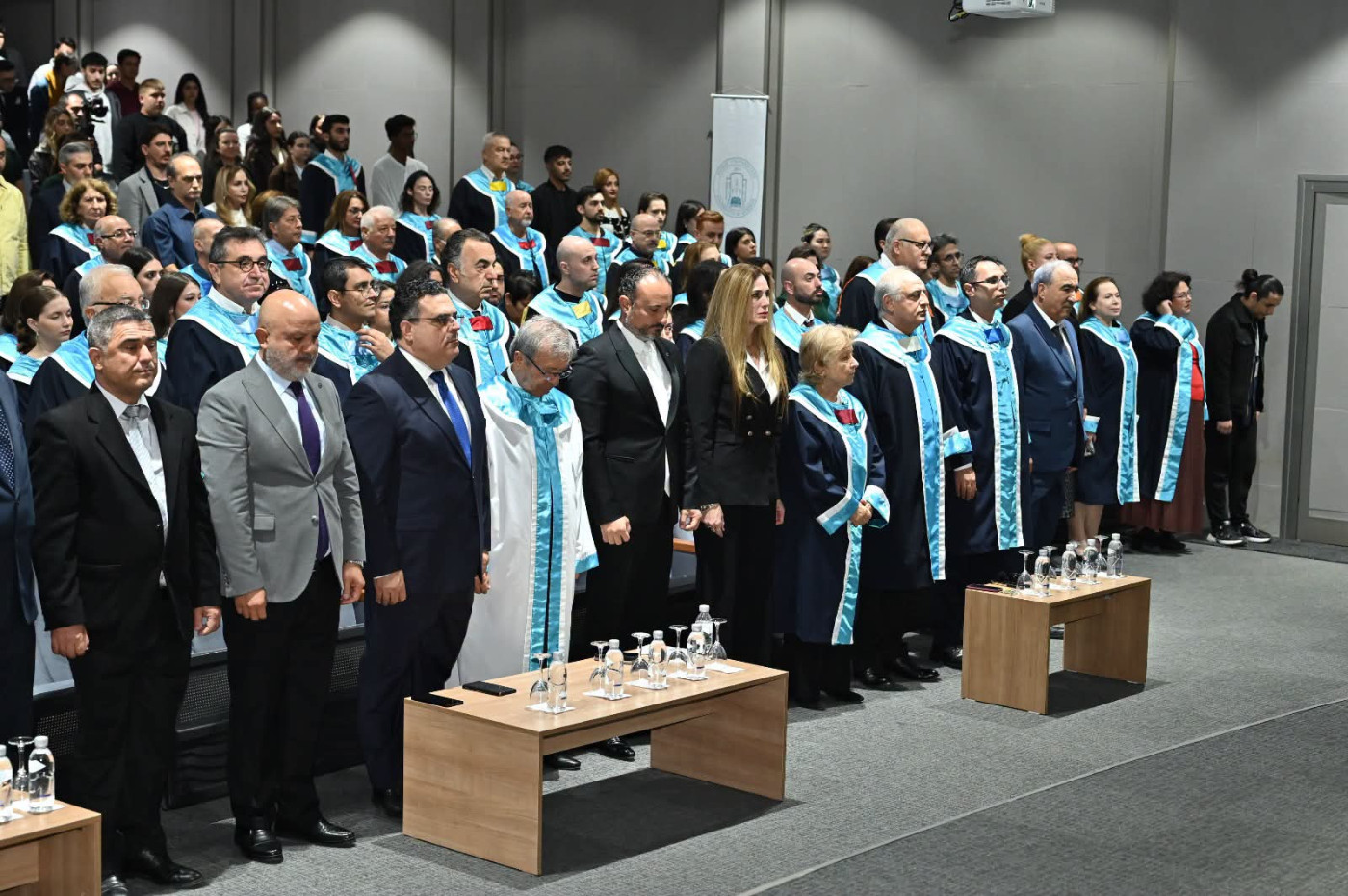
The ceremony, hosted by Girne University, was attended by Girne University Rector Prof. Dr. İlkay Salihoğlu, Vice Rector Prof. Dr. Rüveyda Bundak, Near East University Rector Prof. Dr. Tamer Şanlıdağ, Chairman of the Board of Trustees Dr. İrfan Suat Günsel, YÖDAK President Prof. Dr. Aykut Hocanın, YÖDAK Board Members Prof. Dr. Remziye Terkan and Prof. Dr. Murat Gezer, as well as Girne University’s academic and administrative staff, students and their families.
In his opening lecture, entitled “Higher Education in the Turkish Republic of Northern Cyprus: Current Challenges and Future Perspectives,” YÖDAK President Prof. Dr. Hocanın provided a comprehensive assessment of the institutional structure, development, current capacity, national and international quality assurance processes, and future priorities of the higher education system in the TRNC.
Institutional Structure of the TRNC Higher Education System and YÖDAK’s Responsibilities
Referring to YÖDAK’s historical development and legal status, Prof. Dr. Hocanın noted that the Council was initially established within the Ministry of Education in 1993 and gained an independent institutional structure in 2005. He further explained that its institutional framework was updated through amendments to higher education legislation in 2009 and 2017.
Emphasizing that YÖDAK’s principal responsibilities in higher education encompass planning, evaluation, accreditation and coordination, Hocanın highlighted the importance of these functions in ensuring the orderly, transparent and sustainable development of the higher education system. He also provided information on the relevant legislative framework governing higher education, the establishment of academic programmes, student admissions, diploma recognition and equivalency, university inspections and quality assurance.
International Dimension and Current Capacity of TRNC Higher Education
Sharing data on the international scale and capacity achieved by TRNC higher education, Prof. Dr. Hocanın stated that the country hosts a total of 106,000 students from 150 different countries, of whom 88,000 are actively enrolled.
He noted that approximately 10% of the student population consists of students from the TRNC, 55% from Türkiye and 35% from other countries. He emphasized that this diversity demonstrates the international character of TRNC higher education and its position within the global education landscape.
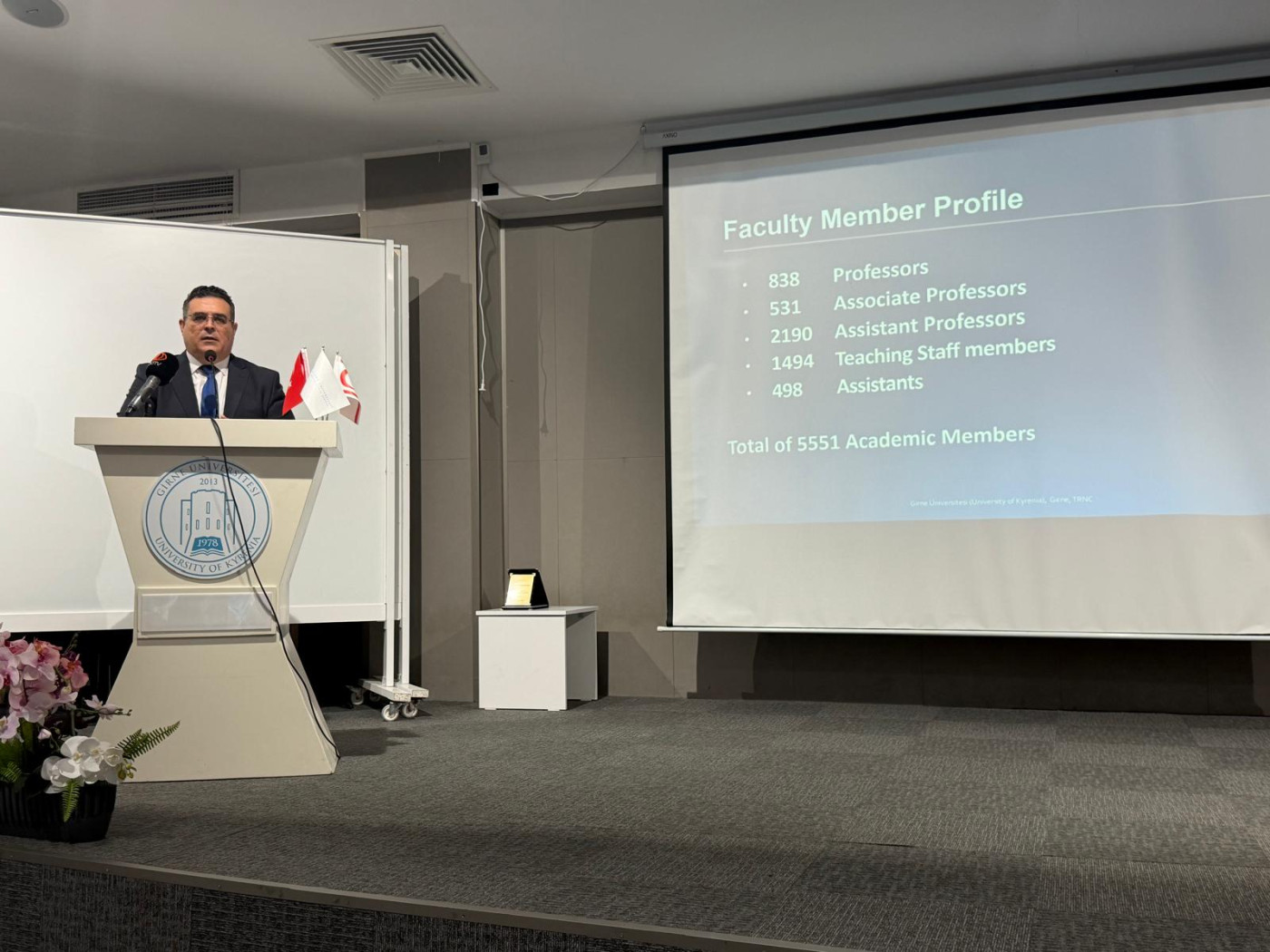
The presentation also indicated that there are 1,775 academic programmes approved by YÖDAK, comprising 352 associate degree, 800 undergraduate, 418 master’s and 205 doctoral programmes. The distribution of the 5,551 academic staff employed at higher education institutions according to academic titles was also reviewed.
Recognition, Accreditation and Quality Assurance in International Rankings
International recognition, accreditation and university rankings constituted one of the key themes of the lecture.
Prof. Dr. Hocanın emphasized that institutional recognition, programme and institutional accreditation, and international university ranking systems represent distinct evaluation mechanisms. He stressed the importance of understanding these concepts correctly and assessing universities’ international achievements through realistic and objective indicators.
Addressing the role of evaluation processes conducted by international accreditation agencies in improving academic programme quality and strengthening institutional quality cultures, Hocanın noted that international ranking systems such as THE and QS operate according to different methodologies and measure different areas of institutional performance.
YÖKAK Institutional Accreditation Processes and Continuous Improvement
Assessing developments in quality assurance within TRNC higher education, the YÖDAK President stated that 11 universities in the TRNC had applied to the International Institutional Accreditation Programme of the Turkish Higher Education Quality Council (YÖKAK).
He explained that these processes, conducted on the basis of the Standards and Guidelines for Quality Assurance in the European Higher Education Area (ESG), cover governance and quality, learning and teaching, research and development, and community engagement.
Highlighting the importance of institutional self-evaluation, the participation of internal and external stakeholders, peer evaluation and continuous improvement, Hocanın stated that successful accreditation processes would strengthen universities’ international visibility and their standing in the field of quality assurance.
The Future Vision of Higher Education: Planning, Quality and Digitalization
In the section addressing future perspectives, Prof. Dr. Aykut Hocanın emphasized that the sustainable development of TRNC higher education requires an integrated approach to planning, evaluation, accreditation and coordination processes.
He underlined the importance of developing academic programmes in alignment with societal needs and long-term priorities, evaluating educational and research activities through objective criteria, strengthening external quality assurance, and expanding national and international cooperation among universities.
He also noted that the effective use of YÖKSİS and digital data management systems would make significant contributions to planning, monitoring, evaluation and institutional decision-making processes in higher education.
Prof. Dr. Hocanın emphasized that the fundamental objective for the future of TRNC higher education should not be limited to growth and quantitative expansion. Rather, the priority should be to establish a strong higher education system founded on academic quality, international credibility, institutional capacity and a culture of continuous improvement.
The opening lecture delivered as part of Girne University’s 2026–2027 Academic Year Opening Ceremony contributed to an academic discussion of the current state and future objectives of higher education in the TRNC. The ceremony continued with a reception, accompanied by wishes for a successful and productive new academic year for the entire university community.
Higher Education Planning, Evaluation, Accreditation and Coordination Council (YÖDAK)

